
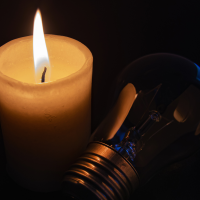
When the lights go out, preparation is everything.
Peterborough’s recent ice storm left thousands in the dark, some for up to two weeks. With widespread outages and a declared state of emergency, it was a stark reminder of how quickly conditions can shift—and how important it is to be ready when they do.
Whether you’re navigating a storm now or planning ahead, here’s what to consider during a prolonged power outage.
? Hardwired vs. Portable Generators
Hardwired (Standby) Generators
These are permanently installed and automatically power your home when the electricity goes out. They’re reliable, efficient, and can keep essentials like your furnace, fridge, and sump pump running.
Pros:
?? Automatic startup
?? Quiet and weather-resistant
?? Can power full home or select circuits
Cons:
? Higher upfront cost
? Requires professional installation
Portable Generators
Portable models are more affordable and flexible, great for powering individual items like your fridge or a few lights. They require manual operation and careful handling.
Safety Tip: Always run portable generators outdoors—at least 20 feet from windows and doors—to avoid carbon monoxide poisoning.
?? Check Your Sump Pump
If you rely on a sump pump to keep your basement dry, make sure it’s backed up during an outage. Battery-powered backups or generator hookups can prevent flooding and costly damage during prolonged outages.
? Gas Appliances & CO Safety
Gas stoves and fireplaces may not function safely without power. Many require electric fans to properly vent. Without ventilation, carbon monoxide can build up quickly.
Never use a gas stove for heating and only operate gas appliances with proper ventilation and caution.
? Carbon Monoxide Detectors
Ensure all CO detectors have working backup batteries—especially those plugged into outlets. For best protection, install detectors on each level of your home and test them regularly.
? Build Your Emergency Kit
Be ready with a kit that will get you through days without power:
-
Flashlights (with extra batteries)
-
Battery-powered or crank radio
-
Non-perishable food & manual can opener
-
Bottled water (1 gallon per person per day)
-
Portable phone chargers or power banks
-
Warm blankets, hats, and layers
-
First aid supplies
Tip: Avoid using candles if possible—flashlights are a safer option.
? Check on Neighbours & Ask for Help
During emergencies, connection matters. Check in on your neighbours, especially seniors or those with limited mobility. And if you’re struggling, don’t hesitate to ask for help—this community always pulls together.
? Other Smart Prep Tips
-
Unplug electronics to avoid power surge damage
-
Keep fridge and freezer doors closed to preserve food
-
Limit phone use to save battery
-
Know where your water, gas, and electrical shut-offs are located
-
Follow local emergency updates via battery-powered radio or alerts
? Being Prepared is Being Proactive
A little preparation goes a long way. Whether you're a homeowner, investor, or new to the area, knowing how to protect your property and stay safe during an outage is essential.
If you’d like recommendations for local trades, electricians, or backup system installers—or just want help getting your home storm-ready—I’m here to help.
Stay safe, stay ready, and stay connected.


Post a comment